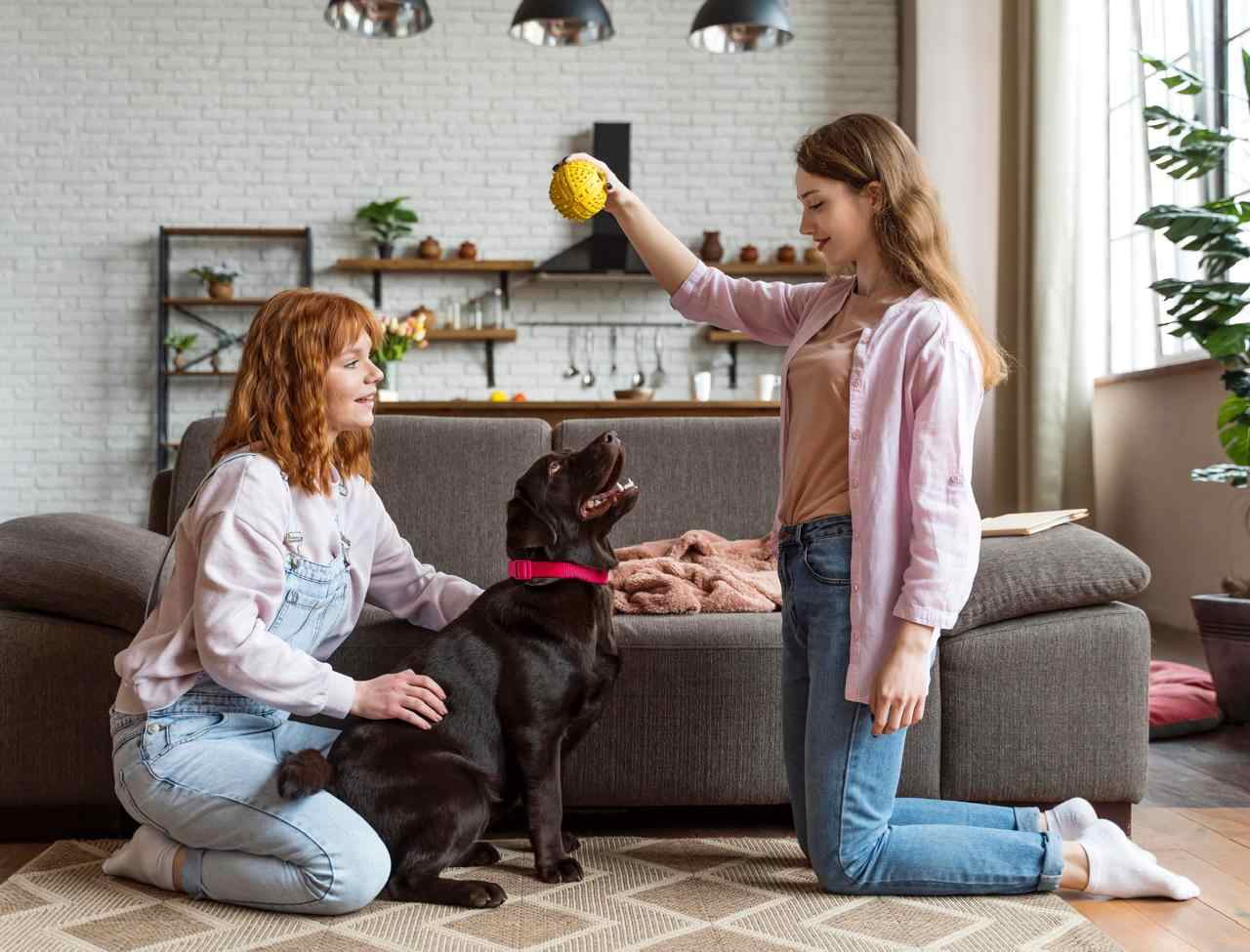
As pet owners become more aware of their dogs’ emotional and mental needs, many are turning to doggy day care not just as a place for supervision, but as a center for cognitive enrichment and brain development. Dogs are intelligent animals who thrive on stimulation, problem-solving, and learning. When left alone for long hours, they may develop boredom, anxiety, or destructive behaviors. Doggy day care environments are designed to challenge the mind, engage the senses, and create opportunities for dogs to explore, learn, and grow—making it one of the most effective ways to promote healthier, smarter, and emotionally balanced pets.
The Role of Mental Stimulation in Dog Behavior
Dogs need more than physical exercise—they also need activities that challenge their minds. Mental stimulation helps reduce hyperactivity, prevents boredom-driven behaviors, and supports neurological health. In day care settings, dogs experience new smells, sounds, textures, and interactions that keep their brains active. Structured enrichment sessions target memory, focus, problem-solving, and emotional regulation, helping dogs become more adaptable and confident.
Enrichment Activities in Modern Doggy Day Care
Many high-quality dog day care centers incorporate cognitive enrichment programs designed to mimic natural behaviors such as hunting, tracking, or exploring. Some popular activities include:
- Puzzle Games: Treat-dispensing toys and puzzles encourage strategic thinking and persistence.
- Scent Work: Dogs use their powerful noses to locate hidden treats, enhancing focus and confidence.
- Obstacle Courses: Navigating tunnels, ramps, and small jumps improves coordination and decision-making.
- Interactive Play: Structured play sessions help dogs learn communication cues and social problem-solving.
- Rotation of Toys & Stations: Changing environments prevent boredom and stimulate curiosity.
These activities activate different parts of the canine brain, contributing to better behavior and mental agility at home.
Social Learning and Emotional Intelligence

Doggy day care also supports emotional intelligence—an important but often overlooked aspect of canine well-being. Through interactions with other dogs, pets learn essential communication skills such as reading body language, managing excitement, sharing space, and responding to social cues. Timid dogs gain confidence, while reactive dogs learn boundaries in controlled, supervised settings. Social learning sharpens a dog’s emotional responses and helps them adapt more smoothly to new environments and people.
Reducing Stress Through Engagement
Mental stimulation is one of the best ways to reduce anxiety. When dogs are occupied with enriching tasks throughout the day, their stress levels decrease significantly. Engaging the brain releases positive neurotransmitters, promoting relaxation and satisfaction. For dogs prone to separation anxiety, day care provides structure and companionship that helps them stay emotionally grounded.
Trained Staff Supporting Cognitive Development
Professional caregivers play a crucial role in facilitating enrichment. Trained staff understand how dogs think, learn, and respond to challenges. They guide dogs through activities that match their temperament and ability levels, ensuring each dog experiences success without frustration. This tailored approach strengthens confidence and encourages ongoing learning.
A Smarter, Happier Dog at Home
Owners often notice significant improvements after enrolling their dogs in enrichment-focused day care. Dogs tend to be calmer, more attentive, and easier to train. Their minds stay active, reducing the likelihood of destructive behavior. Mentally stimulated dogs are also more satisfied, balanced, and emotionally stable.
In conclusion, doggy day care is not just a place for dogs to spend the day—it is an enriching environment that strengthens cognitive skills, emotional intelligence, and overall mental well-being. By offering structured play, problem-solving tasks, and social learning opportunities, day care helps dogs become smarter, happier companions who thrive both inside and outside the home.